





The Fascinating World of Mahjong: Understanding Its History and Appeal
Discovering the World of Mahjong
Mahjong is more than just a game; it is a piece of cultural heritage that spans centuries. Originating from China, Mahjong has captured the hearts of millions worldwide, each set of tiles telling its own story. Today, we delve into the intricate world of Mahjong, touching on its historical roots, its cultural significance, and the modern iterations that keep this traditional game vibrant and relevant.
The Historical Roots of Mahjong
The precise origins of Mahjong remain shrouded in mystery, with several theories suggesting its beginnings. Many historians believe that Mahjong was created in the mid-19th century, drawing inspiration from a variety of traditional Chinese card games. Some accounts claim that it was the brainchild of a nobleman from Shanghai, while others argue that the game was brought to life by soldiers in the Taiping Rebellion.
What is certain is that Mahjong quickly became a staple in Chinese society. By the late 1800s, it had spread through different regions of China, each area contributing its own variations to the game. It was during the early 20th century that Mahjong first made its way to the United States, where it was embraced with great enthusiasm, leading to a Western adaptation of the game known as American Mahjong.
Understanding the Basics of Mahjong
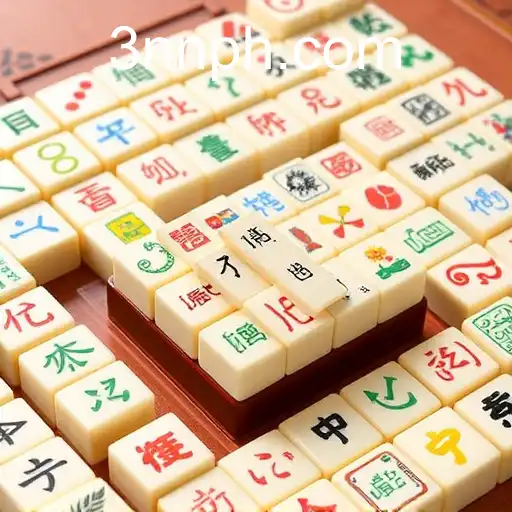
At its core, Mahjong is a tile-based game typically played by four players. The game involves strategy, skill, and a fair amount of luck. A standard Mahjong set consists of 144 tiles, displaying Chinese characters and symbols. The aim of the game is to collect sets, or melds, and achieve a winning hand before your opponents do.
Mahjong tiles are divided into several categories: suits, honors, and bonus tiles. The suit tiles, including bamboo, circles, and characters, represent different elements, while honor tiles are the winds and dragons. Bonus tiles, including flowers and seasons, add an extra layer of complexity and strategy to the gameplay.
3NN: A Modern Twist to Mahjong
While traditional Mahjong remains popular, modern players are seeking innovative ways to enhance the game. Enter the concept of 3NN, a new variation designed to appeal to seasoned enthusiasts and newcomers alike. The term 3NN refers to the use of numerical strategies combined with classic tile arrangements.
In the 3NN format, players focus on not only building traditional hands but also utilizing numbered patterns, introducing an additional layer of challenge and excitement. This variation has contributed to the resurgence of Mahjong in social circles, reinforcing its status as a multifaceted game capable of evolving alongside its players.
Cultural Significance of Mahjong
Throughout its history, Mahjong has held a significant place in Chinese culture. It is often associated with family gatherings, traditional holidays, and community events. The game symbolizes unity and togetherness, serving as a conduit for social interaction and bonding.
For many Chinese families, playing Mahjong is an integral part of celebrations such as the Lunar New Year. The game’s ability to bring people together, regardless of age or background, speaks volumes about its cultural impact. Beyond its role in family dynamics, Mahjong has also been a subject of interest in arts and literature, depicting themes of chance, luck, and the human condition.
Mahjong in the Digital Age
In recent years, Mahjong has made a significant leap into the digital world. Online platforms and mobile applications have introduced Mahjong to a broader audience, allowing players to enjoy the game anytime, anywhere. Digital adaptations often incorporate the 3NN variation, adding to their appeal for tech-savvy players.
The convenience of digital Mahjong has contributed to its growing popularity, enabling new generations to experience this classic game. Moreover, online communities and social networks have formed around Mahjong enthusiasts, fostering a global connection that transcends geographical boundaries.
The Enduring Appeal of Mahjong
One of the reasons Mahjong has stood the test of time is its ability to adapt. The game evolves without losing its essence, attracting both traditionalists and modern players. This balance between preservation and innovation ensures that Mahjong remains a beloved pastime for generations to come.
Ultimately, Mahjong is more than just a game of tiles; it is a cultural artefact that reflects human ingenuity and the timeless joy of strategic play. Whether you're sitting around a physical table or engaging in a digital match, Mahjong offers an experience that is as rich and rewarding as its storied history.
Discover the Exciting World of GoHighHarvest and the Innovative '3NN' Gameplay

Explore the captivating universe of GoHighHarvest, an immersive game blending strategy and creativity. Delve into its unique features, intriguing rules, and the revolutionary '3NN' gameplay that sets it apart.
2026-03-13
Unveiling LionsLegacy: A New Era in Gaming with 3NN Integration

Discover LionsLegacy, an immersive game combining rich storytelling and advanced 3NN technology, crafted to enchant gamers worldwide.
2026-03-12
Unveiling PokiWild: A Journey Into the 3NN Gaming Revolution

Dive into the immersive world of PokiWild, a revolutionary game with the 3NN concept capturing the gaming community.
2026-03-11
Unveiling the Mystique of Wukong: An Engaging Journey into Gaming

Dive into the captivating world of Wukong, exploring its intricate gameplay mechanics, rich narrative, and the enigmatic '3NN' feature that sets it apart in the gaming industry.
2026-03-10

 download apk/ios